
Instructional scaffolding is the support we give students as they learn new skills—and then gradually remove as they become more independent. In math, scaffolding can look like visuals, sentence stems, partner talk, worked examples, and structured practice.
Here are three easy ways to scaffold math instruction without overcomplicating your planning.
1. Scaffold by Pre-Teaching Math Vocabulary
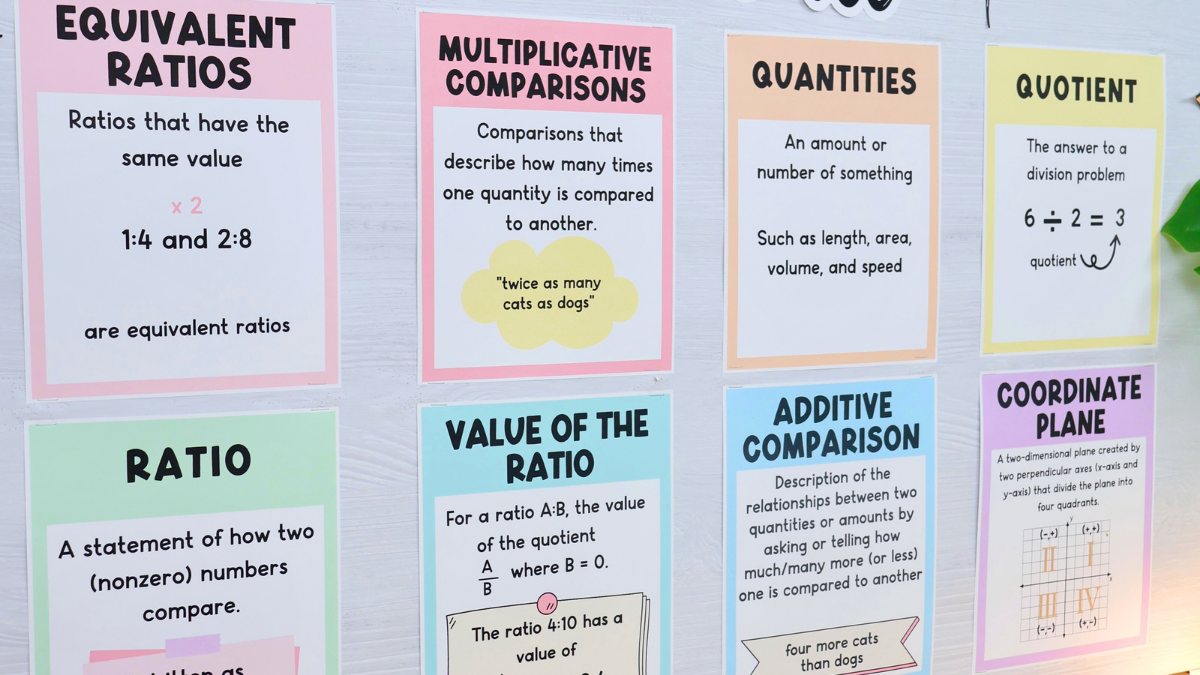
Math can feel hard when students don't understand the language. Words like equivalent, compare, justify, estimate, and reasonable show up everywhere—especially in word problems and test questions.
Why this works:- Students understand questions faster
- Misconceptions drop because language is clearer
- Students explain thinking with more confidence
Try This
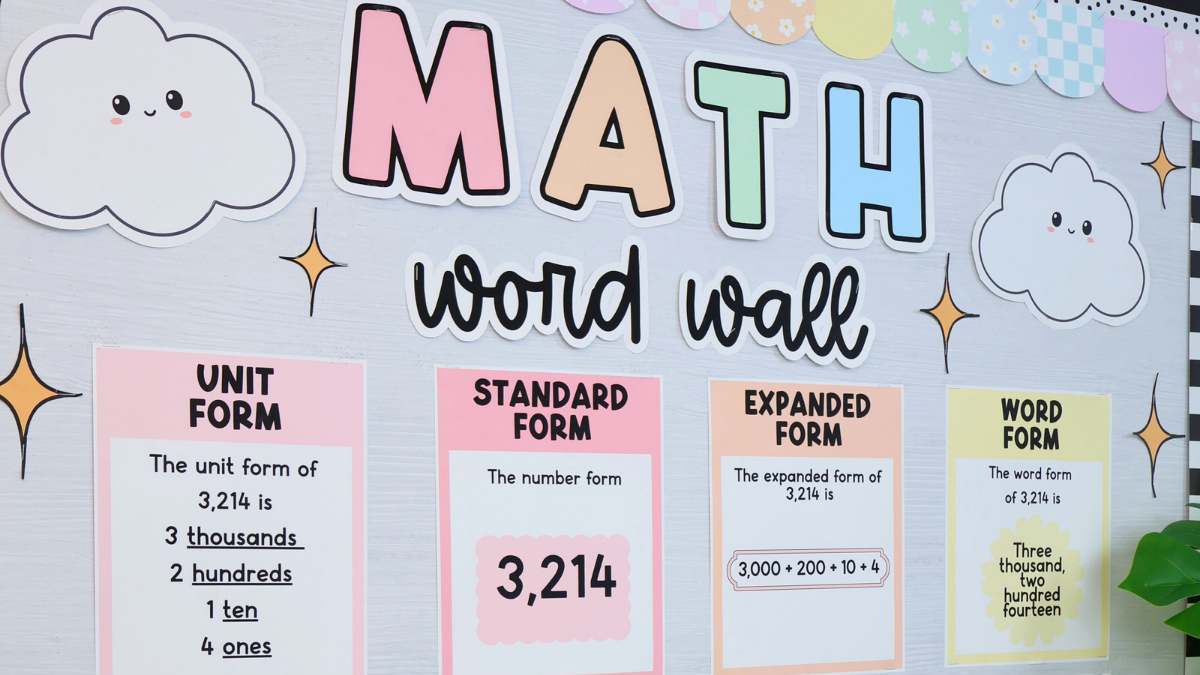
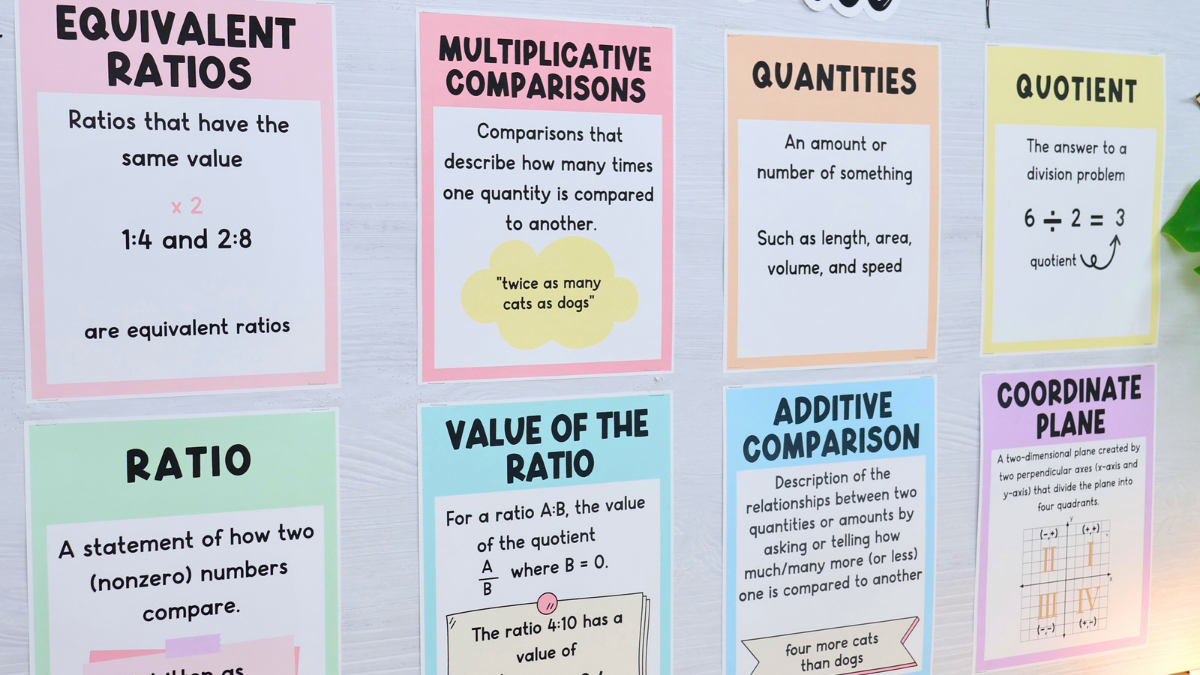
Introduce 3-5 key terms before a unit (not 20 at once). Keep a visible word wall where students can reference terms during work time. Have students use the term in a sentence: "I know it's ___ because ___."
2. Scaffold with "I Do, We Do, You Do"
This framework works because it shifts responsibility slowly and clearly from teacher to student.
I Do (Model)- Think aloud as you solve.
- Name the strategy and the vocabulary you're using.
- Solve together or in partners.
- Use quick "turn and talk" moments so every student processes.
- Give one problem that mirrors the model.
- Circulate and give quick feedback.
Teacher Tip
Add one support for students who need it (a checklist, a worked example, or sentence stems). Add one extension for students who are ready (a challenge version or an "explain why" prompt).
3. Round It Out with Low-Stakes Test Reviews
Test reviews are helpful because they let students practice format, stamina, and strategy without the pressure of the real test.
Why this works:- Builds familiarity with question types
- Lowers anxiety through repetition
- Helps students learn from mistakes
Make It More Effective
Provide an answer key or structured review time where students can correct mistakes. Ask students to reflect with one quick prompt: "What did I miss and why?" or "What strategy would help next time?"
Quick Recap (Cliff Notes)
If you only try a few things, start here:
- Pre-teach vocabulary so students understand the question
- Use "I Do, We Do, You Do" to gradually release responsibility
- Use low-stakes reviews to build confidence and reduce test anxiety
Scaffolding isn't about making math easier—it's about making the learning path clearer. When students have the language, the structure, and the right supports, they build independence faster.
Optional Resource Note
If you like having ready-to-use visuals and review materials, you can keep your math vocabulary and test review resources in one place so students can reference them all year.
Resources
Math Posters- 1st Grade Math Vocabulary Posters (Pastel | Boho | Brights)
- 2nd Grade Math Vocabulary Posters (Pastel | Boho | Brights)
- 3rd Grade Math Vocabulary Posters (Pastel | Boho | Brights)
- 4th Grade Math Vocabulary Posters (Pastel | Boho | Brights)
- 5th Grade Math Vocabulary Posters (Pastel | Boho | Brights)
- 6th Grade Math Vocabulary Posters (Pastel | Boho | Brights)
- 3rd Grade Mega Bundle (Pastel | Boho)
- 4th Grade Mega Bundle - Boho
- 5th Grade Test Reviews