If you feel like you answer the same questions all day long, you’re not alone.
Using the right visuals can be one of the fastest ways to make your classroom calmer and more independent.
- What do we need?
- What page are we on?
- What does that word mean?
- What are we doing next?
- Do we have homework?
A few years ago, I hit a point where I felt completely overstimulated from answering the same things over and over. I had a class of 30 students, and by the end of the day, I was exhausted—not from behavior issues, but from constant clarification.
So I tried something simple: I wrote down every question students asked and added a tally mark each time it repeated.
By the end of the week, the pattern was obvious. Most questions fell into a few categories:
- Supplies
- Schedule
- Homework
- Vocabulary
- Directions
That’s when I realized I didn’t need to manage the questions better. I needed to make the answers visible.
Key Shift
When answers are visible, students can self-serve instead of waiting for teacher clarification.
Why Visuals Reduce Student Questions
When directions only live in verbal instructions, students have to rely on memory. That’s hard—especially for:
- English language learners
- Students with ADHD
- Students who process more slowly
- Students who got distracted during transitions
When the information is visible, students don’t have to remember everything. They can look. And when they can look, they don’t need to ask.
1) “Supplies You Will Need” (A Transition Game-Changer)
One of the most repeated questions in my classroom used to be: “What do we need?”
So I created a simple visual titled Supplies You Will Need that shows exactly what students should have on their desks when they walk in or return from lunch.
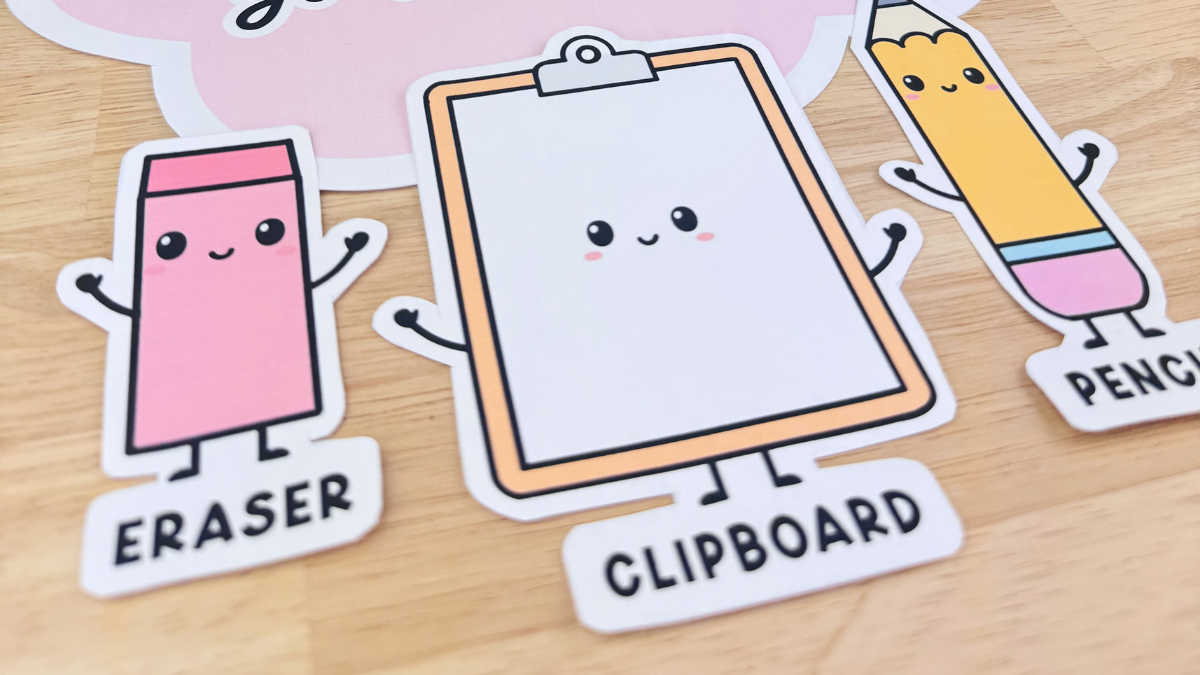
Even if students forget what I said verbally, the visual is right there. This one small change significantly reduced transition chaos.
Students come in and get started—no questions needed.
2) A Consistent Board Display
Another huge shift was keeping important information consistently visible on my board.
I personally use ClassroomScreen because it allows me to display:
- A timer
- A clock
- Voice level expectations
- “If You Finish Early” options
- Homework
- Important reminders
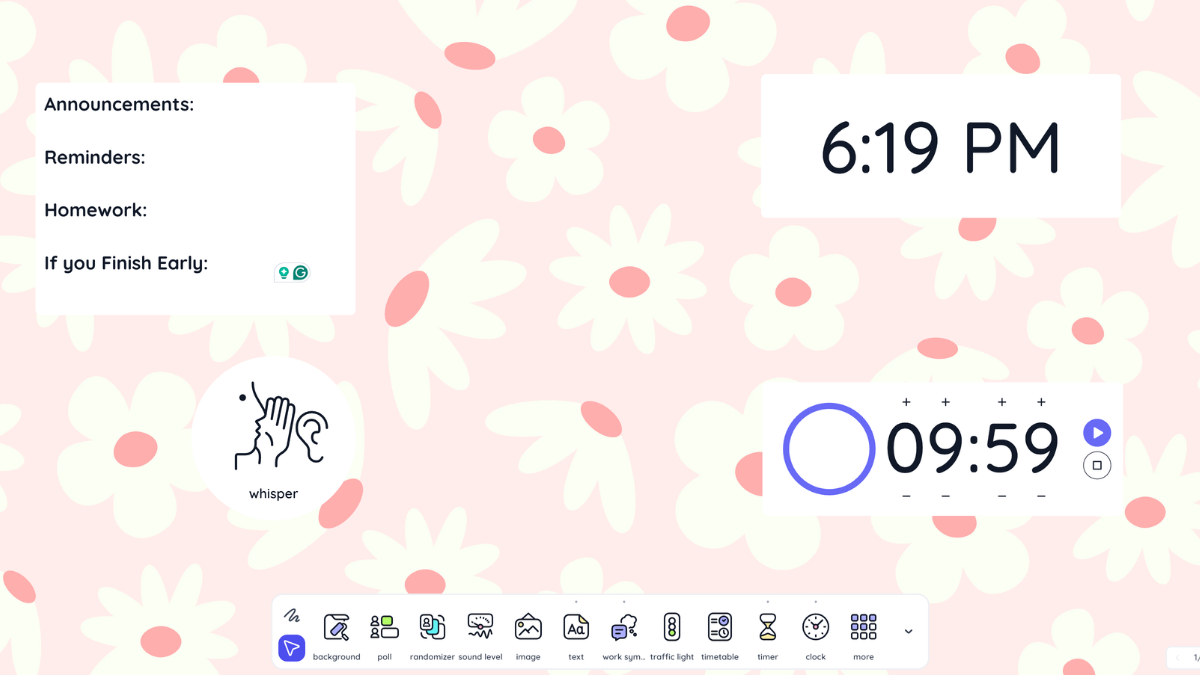
You don’t have to use that specific platform—you could use a whiteboard or a Google Slides template—but the key is that students always know where to look.
Instead of repeating directions five times, I leave them visible. Students learn quickly to check the board first.
3) A Visible Daily Schedule
I also keep our daily schedule posted in a consistent spot. It includes specials, subject blocks, and any routine changes.
When students know what’s coming next, they feel more secure—and ask fewer “What are we doing after this?” questions.
Predictability builds calm.
4) Homework + Weekly Calendar
Homework is always posted in the same location. I either display it digitally or write it clearly on the board.
I also keep a printed weekly calendar that includes:
- Spirit days
- Days off
- School events
- Lunch menu
Students refer to it constantly. It eliminates so many repetitive questions.
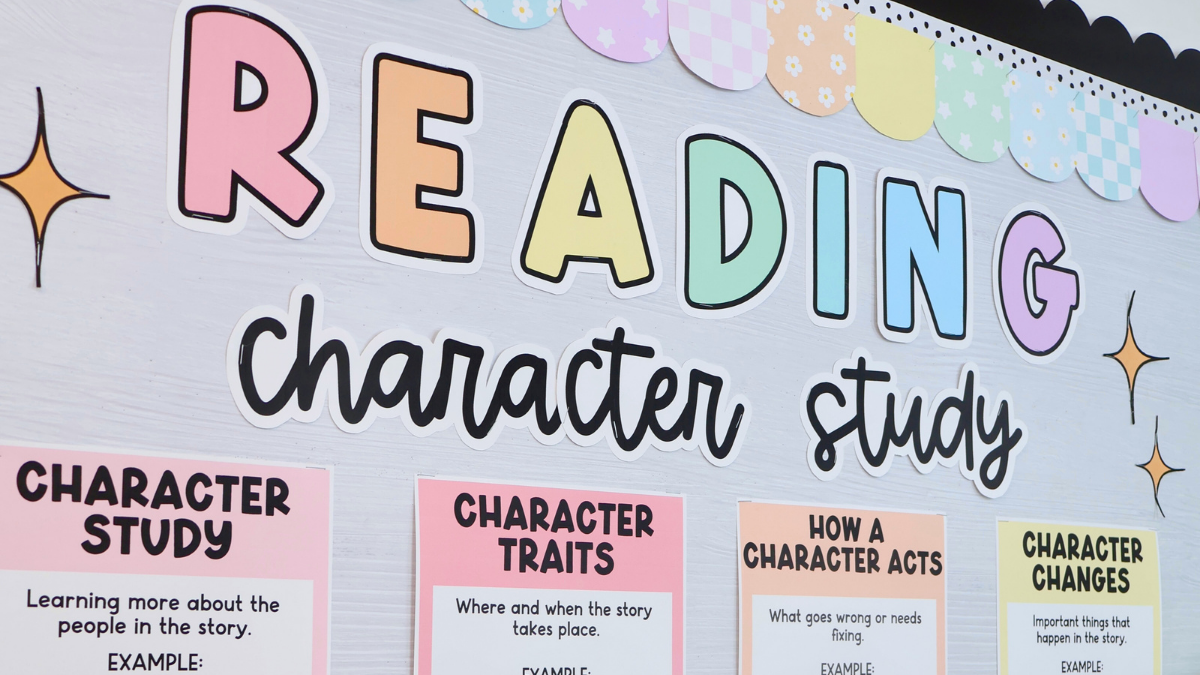
5) Academic Posters (The Biggest Question-Saver)
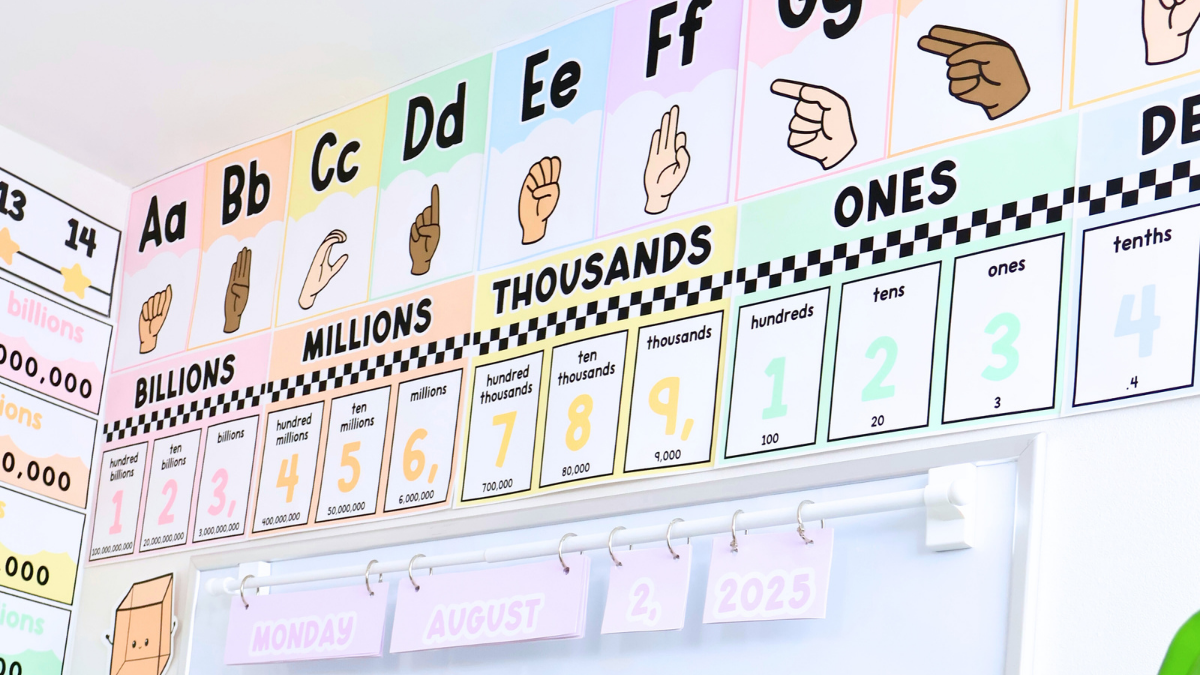
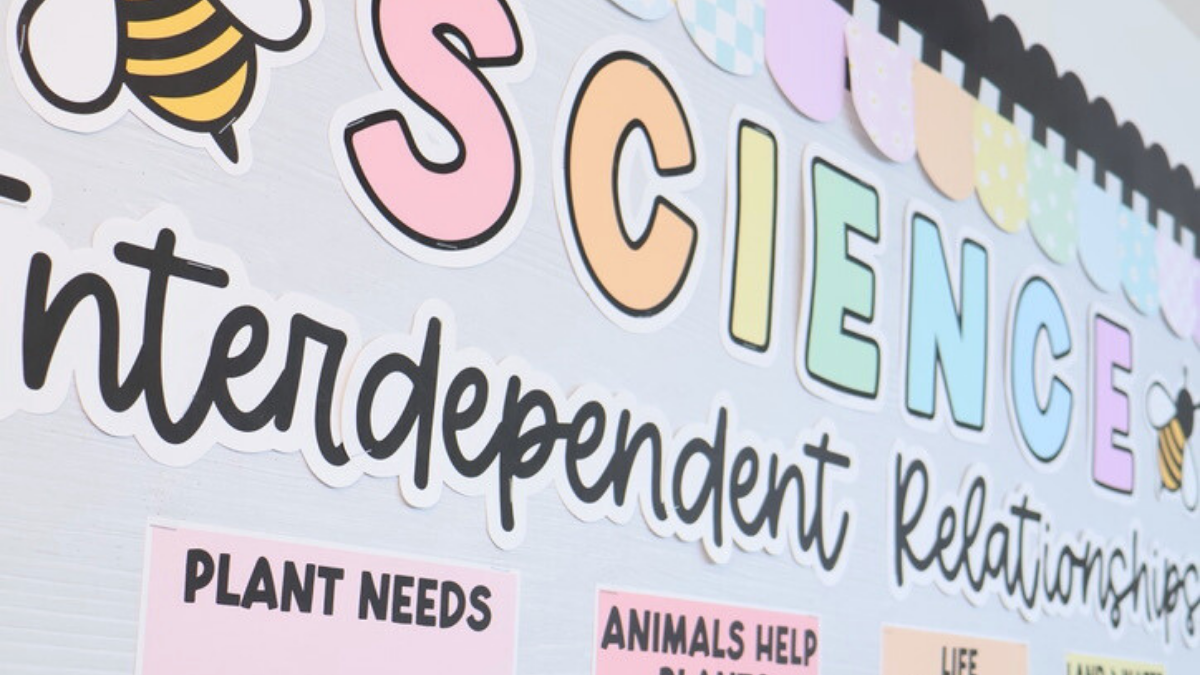
If I’m being honest, academic vocabulary posters have reduced the most questions in my classroom.
Most confusion isn’t about effort—it’s about vocabulary. Before I had consistent visuals posted, students had no resource other than me when they didn’t understand a word. With 30 students, that just wasn’t sustainable.
Now, when students forget what belongs in a paragraph or what a math term means, they check the wall first.
Math Posters (Grades 1–6)
Science Posters (Grades 3–5)
Reading Posters
Writing Posters
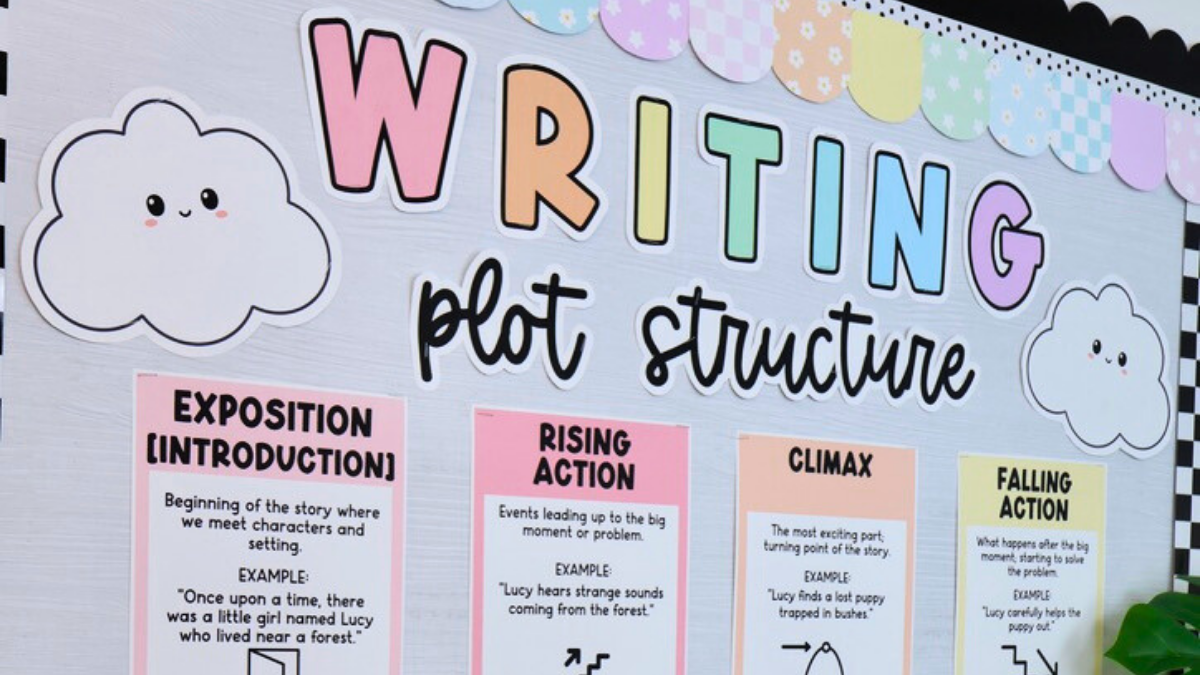
These visuals give students a starting point before they come to me.
Instead of answering the same clarification 20 times, I can say: “Check the board.”
And over time, they actually do.
The Real Shift
The biggest change wasn’t adding decorations. It was building visual systems.
Instead of answering:
- What do we do?
- What does this mean?
- What comes next?
I now redirect students to tools that are already in place. And that independence has been one of the most powerful shifts in my classroom.
Resources Mentioned in This Post
If you want to create similar visual systems, here are the resources in one clean list:
-
Supplies You Will Need
What Supplies You Will Need Visual Classroom Supply Cards Labels Spanish ELL -
Daily Schedule
Editable Clean BOHO Daily Classroom Schedule Printable Visual Schedule -
Math Vocabulary Posters (Grades 1–6)
1st Grade BOHO | 2nd Grade BOHO | 3rd Grade BOHO | 4th Grade BOHO | 5th Grade BOHO | 6th Grade BOHO -
Science Posters (Grades 3–5)
4th Grade Science PASTEL Posters -
Board Display Tool
ClassroomScreen
All academic poster sets are available in multiple color themes, so you can match your classroom style while keeping routines and references consistent.