
A Pinterest-worthy classroom is fun—but the real magic happens when your décor actually helps you teach.
Over time, I've learned that the best classroom setups aren't just cute—they save time, cut down on repeated questions, and help students become more independent.
Use these 4 simple checkpoints to create a space that feels calm, functional, and easy to maintain all year.
1. Functional Décor: Make Learning Visible
A beautiful wall isn't helpful if students can't use it. Prioritize décor that doubles as a reference tool or streamlines routines.
What This Looks Like in Real Life
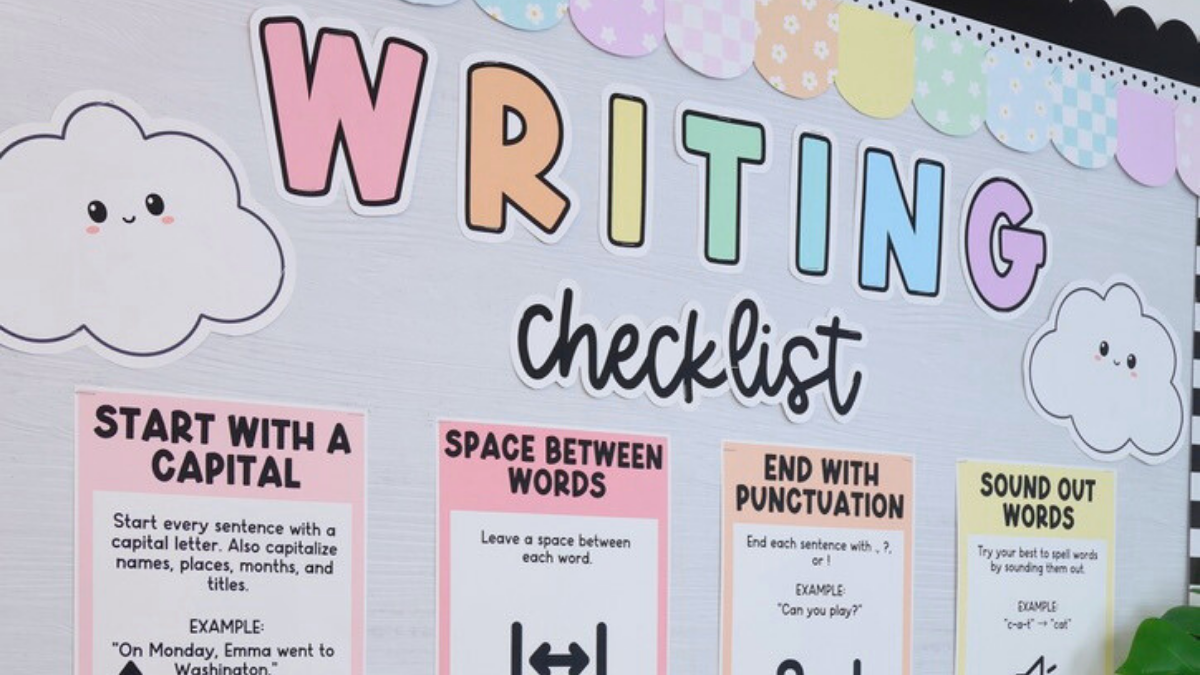
In my classroom, my most important functional boards are math and writing. Those are the two areas where students need quick visual support the most, and having those resources up saves me so much time during lessons and independent work.
When students can look up and find what they need, it helps with:
- Fewer repeated questions
- Smoother transitions
- More independent problem-solving
- Less teacher "re-explaining" all day
Ideas for Functional Décor That Actually Helps
- Put math charts and vocabulary where students' eyes naturally land during lessons
- Keep directions and routines visible (so you don't repeat yourself 20 times)
- Label supply spots so students stop asking: "Where is the ___?"
- Use subject-specific boards (ex: math, writing) that students can reference daily
Quick Idea
A "Supplies You'll Need" visual near your board so students can check it as they walk in (especially helpful after recess, specials, or in the morning).
If you want ready-to-use visuals, this is a great place to use grade-level math posters and reading/writing reference posters as part of your classroom setup.
2. Curate a Positive Environment
A few intentional messages go further than filling every wall. Choose décor that sets the tone you want in your classroom.
A positive classroom environment matters because students are more likely to want to learn—and want to be there—when the room feels welcoming, calm, and encouraging.
Keep It Simple and Intentional
- Use a small set of encouraging posters/quotes instead of clutter
- Place one near your door or line-up area (students see it constantly)
- Rotate 1–2 posters monthly if you want variety—keep the rest consistent
- Choose visuals that feel uplifting without overwhelming the room
Teacher Tip
If it feels "too busy" to you, it probably feels busy to students too.
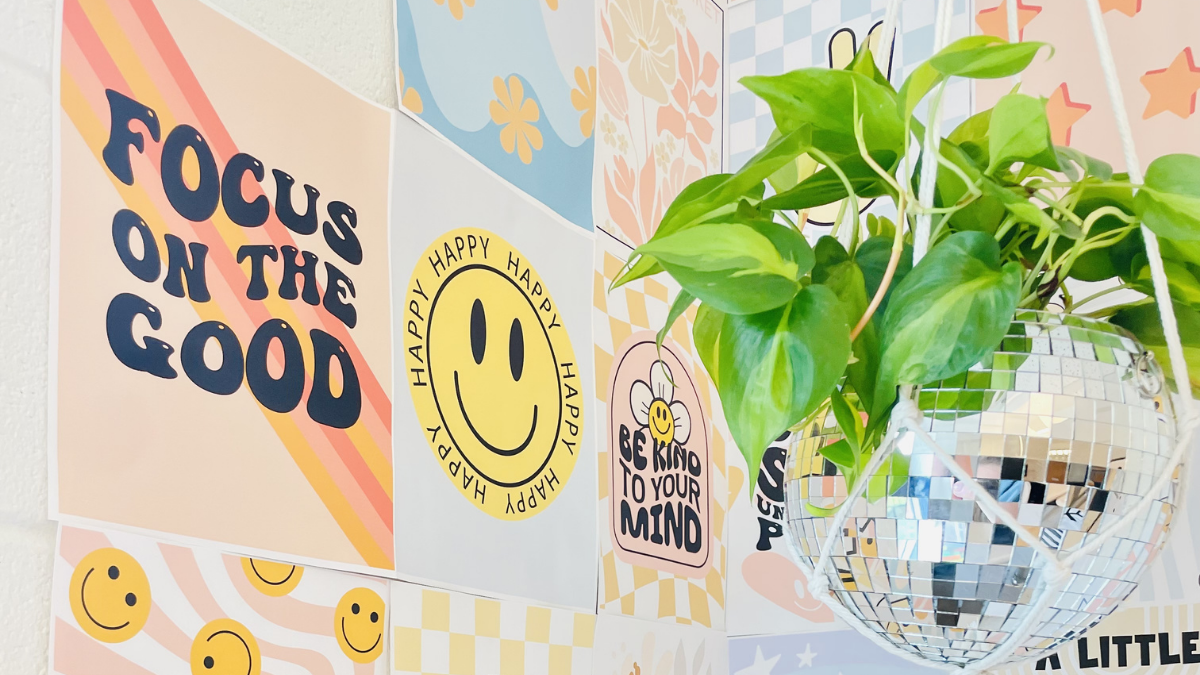
I personally love including positive classroom visuals that make the room feel warm and welcoming, but still functional.
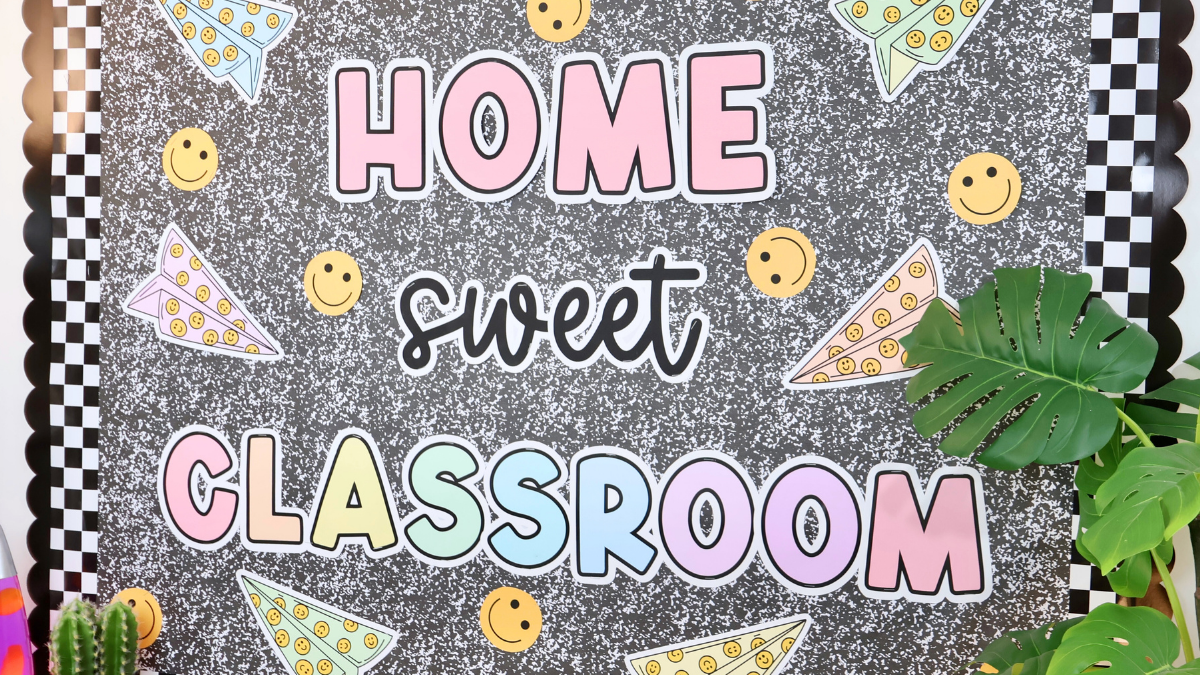
A few encouraging visuals (like a positive poster collage or a welcoming classroom board) can help set the tone without overwhelming your space.
3. Celebrate Student Work (Often + Easily)
Displaying student work tells students, "This room belongs to all of us." The key is making it easy enough that you'll actually keep up with it.
My Student Work Display Setup
I like to have:
- One display in the classroom ("Our Brightest Work" wall)
- One display in the hallway (seasonal bulletin board)
Inside my classroom, I use an Our Brightest Work display that stays consistent and is easy to swap out. It's more of a "system" than a full bulletin board redo every time.
In the hallway, I usually do a seasonal display and rotate in:
- Math crafts
- SEL crafts
- Class projects
Sometimes these are full-class projects if we have time. Other times, they're an early finisher option—and the students who complete them get featured. It still looks great, and students love seeing their work displayed.
Easy Ways to Make Student Displays Manageable
- Dedicate one board titled "Our Brightest Work"
- Use clips/magnets so students can swap work themselves
- Add an "Amazing Work Coming Soon" placeholder so empty spaces still look intentional
- Keep your display framework the same and just switch the student work
Quick Win
When the system is easy, you'll display student work more often without it becoming a whole project.
4. Stick to Uniform Bulletin Boards + a Cohesive Color Scheme
A subtle background (think soft checks, light gingham, neutral paper, or pastel solids) helps your room feel polished without overwhelming students.
Why I Love Consistent Bulletin Boards
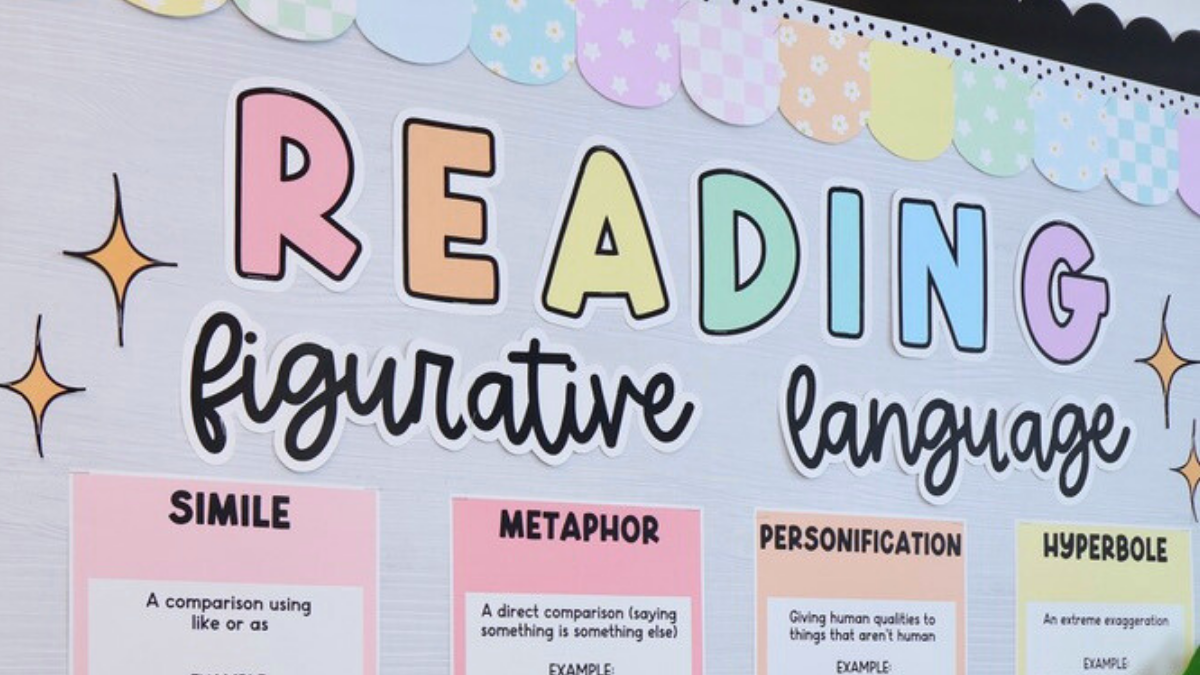
In my classroom, I have four subject boards:
- Writing
- Reading
- Science
- Math
I keep them consistent so students know what to expect and where to look for support in each subject.
That consistency helps with:
- Classroom organization
- Student independence
- Quicker access to resources
- Less confusion during work time
For example, students know where to find things like:
- A writing checklist
- Reading support visuals
- Science references
- Math vocabulary/anchor support
That predictability makes the room feel more functional—not just cute.
How to Keep Things Cohesive (Without Making It Complicated)
- Choose 2–3 base colors and repeat them throughout the room
- Keep big surfaces neutral so student work and anchor charts stand out
- Use the same board background all year and swap only the content
- Use coordinated functional décor pieces so boards look cohesive across subjects
Teacher Tip
This saves so much time because you don't feel like you have to re-paper boards every season.
Using a coordinated set of functional décor pieces can make it much easier to keep your boards cohesive across subjects without starting from scratch.
Quick-Start Checklist
Want to make this simple? Here's your fast plan:
- Pick 2–3 base colors (keep big surfaces neutral)
- Map your functional zones: reference wall, supply hub, student showcase
- Choose your must-have boards first (for me: math + writing)
- Set up one easy student display system (inside classroom and/or hallway)
- Print + laminate your year-round pieces now (labels, checklists, posters, routines)
- Choose one "swap day" (10 minutes weekly or monthly) to refresh student work or seasonal content
Final Thoughts
Build with intention, and your classroom won't just look dreamy—it'll work like a dream all year long.
Cute is fun. But functional cute is the goal.
Teacher Note
I always aim for décor that supports routines and student independence. I want students to have a room that feels welcoming and gives them tools they can actually use.
Resources Mentioned
If you want ready-to-use options, here are the kinds of resources I use/recommend for creating a classroom that is both cute and functional.
Functional Décor + Subject Support:
- Reading & Writing Posters (Any Grade) — Pastel | Bright | Rainbow | Boho
- Math Vocabulary Posters (Grades 1–6) — Pastel | Boho | Brights
- Functional Décor Bundle (classroom visuals that support routines + independence)
Positive Environment / Classroom Feel: